
Reduces winter heat loss through the ceiling
Up to 35 percent of heat escapes through an uninsulated ceiling. Batts fitted between ceiling joists slow this loss, keeping living areas warmer and reducing reliance on heaters.
Clyde
Bulk insulation fitted in ceilings, walls and floors to trap still air and improve thermal resistance in Clyde homes. Glasswool, polyester and rockwool batts installed to suit your R-value needs.
Share your details and Expert Insulation Melbourne will contact you about Bulk Insulation in Clyde.
Bulk insulation uses materials like glasswool, polyester or rockwool batts to trap still air in your roof space, wall cavities or underfloor. It is the most common way to slow heat flow into and out of Clyde homes, cutting winter heat loss through the ceiling and reducing summer heat gain through walls and floors.
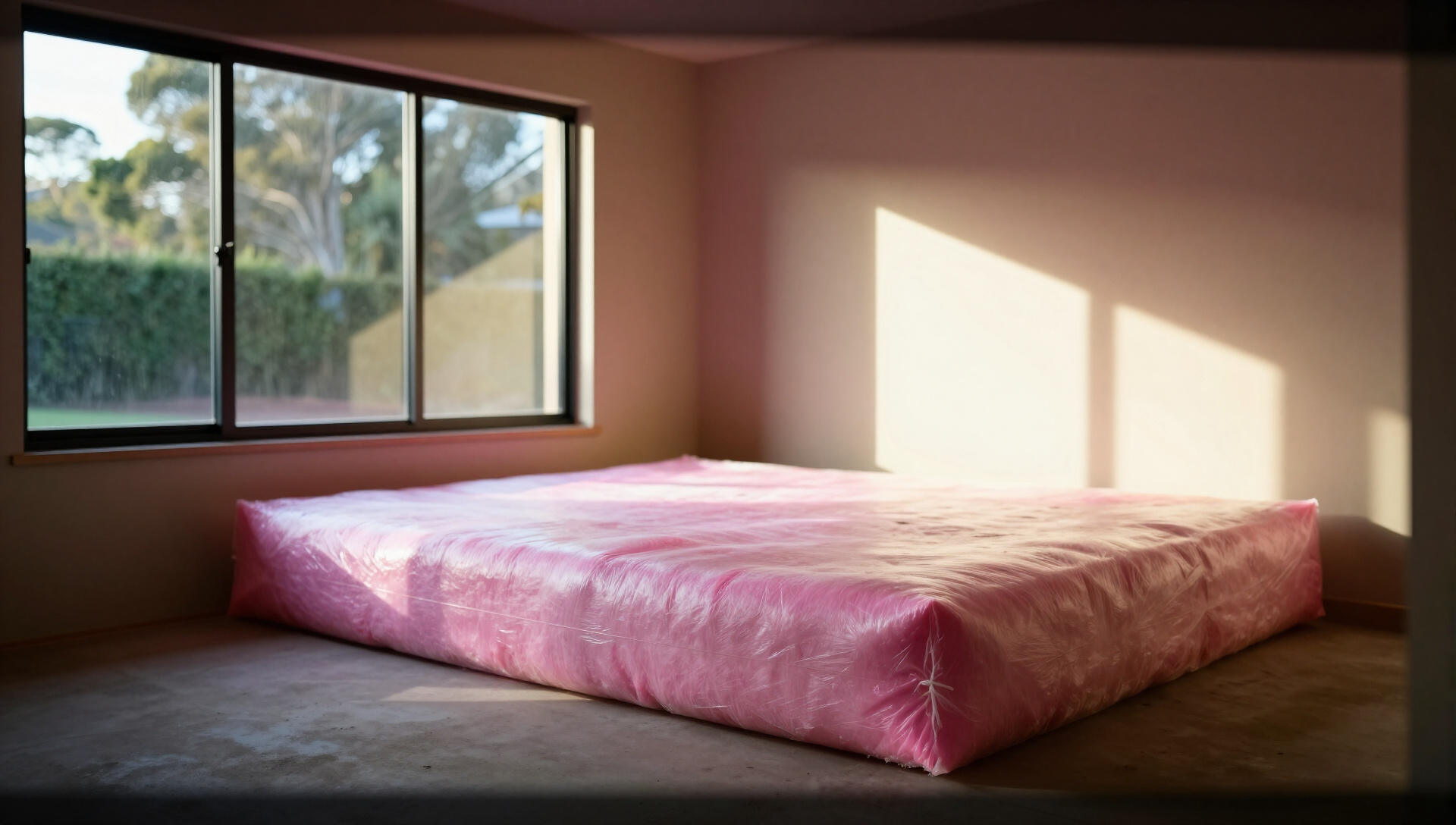
Clyde’s newer estates and growing families face big temperature swings between hot summers and cold winters. Bulk insulation addresses the main paths of heat transfer in these homes, delivering year-round comfort and lower running costs.
Up to 35 percent of heat escapes through an uninsulated ceiling. Batts fitted between ceiling joists slow this loss, keeping living areas warmer and reducing reliance on heaters.
Bulk materials in wall cavities and under the roofline absorb radiant heat before it enters the home, easing the load on air conditioners during Clyde’s hot spells.
Dense batts in internal walls dampen noise transfer between bedrooms, living areas and garages, a useful benefit in modern Clyde homes with open-plan layouts.
By stabilising indoor temperatures, bulk insulation lets your systems run shorter cycles, which lowers energy use and wear on equipment over time.
Glasswool and rockwool batts are non-combustible, providing an added safety layer in roof spaces and wall frames compared to some other materials.
Properly fitted batts maintain their thickness and R-value for decades, provided they stay dry and undisturbed in the roof space or wall cavity.
We measure your roof space, wall frames or subfloor, then fit the chosen batts to the correct thickness and coverage. The job is planned to avoid compressing material and to maintain required clearances around downlights, flues and cables.
We check access to the roof space or subfloor, note any existing insulation, downlights, flues and wiring, and measure the area to calculate the quantity of batts required.
You choose between glasswool, polyester or rockwool, and the R-value that matches your budget and comfort goals. Ceilings in Clyde commonly use R4.0 to R6.0, walls R2.0 to R2.7.
We clear dust and debris from the roof space if needed, and ensure safe access. If old batts are compressed or damaged, we remove them first so new material sits flush with joists and studs.
Batts are cut to fit snugly between joists or studs without gaps or compression. We maintain clearances around heat sources and seal any gaps in the ceiling or wall lining to prevent draughts.
Clyde’s post-2000 estates often have large roof spaces and open-plan designs that benefit from high R-value ceiling insulation. Wall insulation is practical during renovations or extensions when stud frames are exposed. Underfloor batts suit homes on stumps with adequate crawl space access.
Glasswool, polyester and rockwool batts installed in ceilings, walls and floors for better thermal performance in Clyde.
Homeowners in Clyde often ask about material choices, R-values, installation practicalities and cost factors. Here are the key points to consider before booking.
Bulk insulation in Clyde slows conductive and convective heat flow by trapping still air within glasswool, polyester or rockwool batts. In ceilings, it counters the main path of winter heat loss, while in walls it reduces summer heat gain through brick veneer or weatherboard cladding. Under suspended timber floors, batts cut cold draughts and heat loss through the subfloor.
The effectiveness of bulk insulation depends on correct installation. Batts must be cut to fit the full depth and width between ceiling joists, wall studs or floor joists without compression, which lowers the R-value. Gaps around downlights, pipes and cables must be maintained for safety, and any existing compressed or wet batts should be removed first.
Clyde’s climate demands insulation that performs in both cold winters and hot summers. Ceiling batts with R4.0 to R6.0 provide strong resistance to heat loss, while wall insulation at R2.0 to R2.7 helps stabilise indoor temperatures. Underfloor batts at R1.5 to R2.5 are useful in homes with suspended floors, especially when combined with draught sealing around floorboards and skirting.
Call Expert Insulation Melbourne on 0399695249 or email info@expertinsulationmelbourne. com. au to discuss bulk insulation for your Clyde home.